राष्ट्रिय
Sikkim Steps Up GLOF Preparedness, Plans Targeted Mitigation for High-Risk Glacial Lakes
Bishnu Neopaney
२०८३ श्रावण २४, शनिबार
१०:१५ बजे | अद्यावधिक: १०:४५
155 पटक हेरिएको
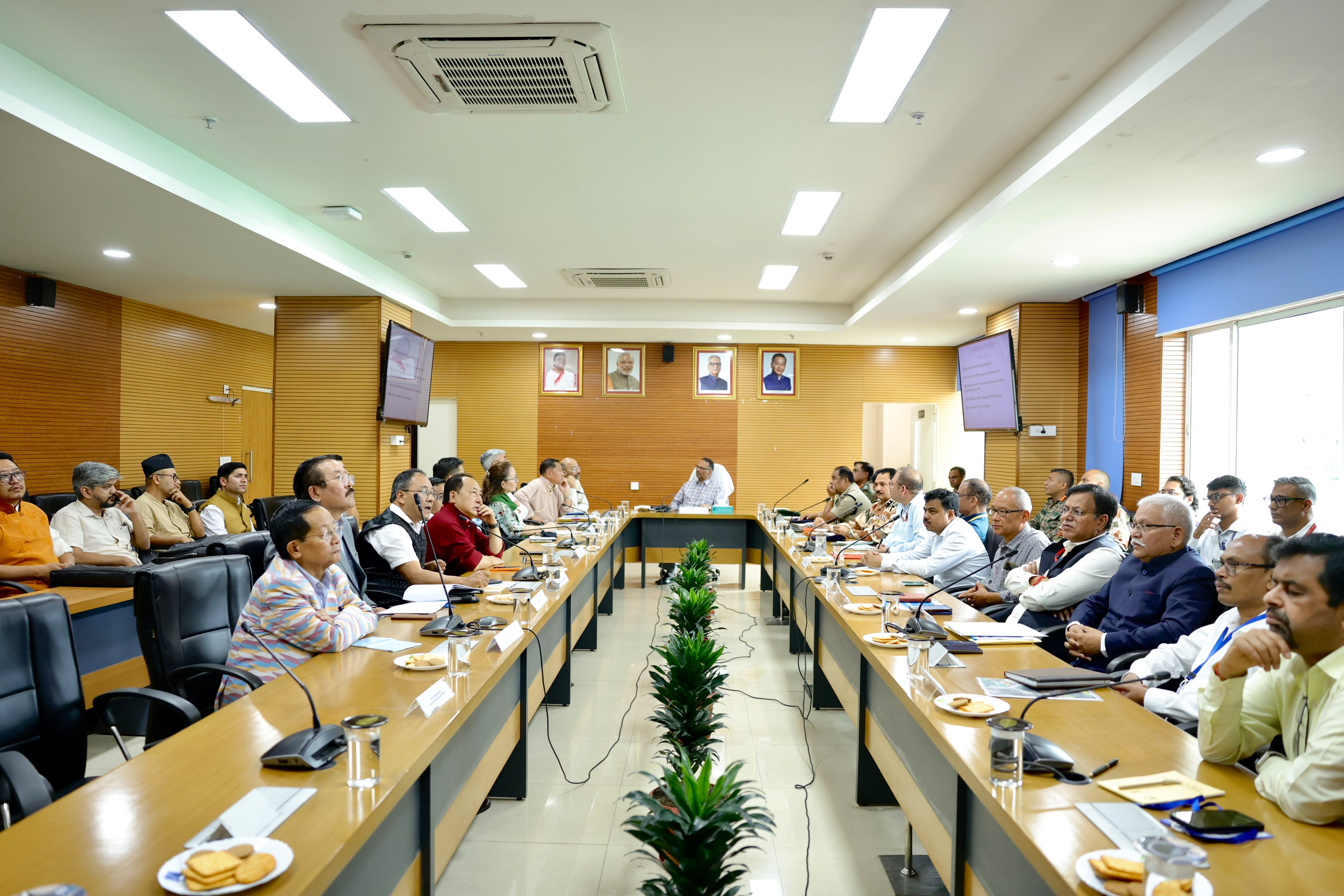
GANGTOK, SEPT 10: Sikkim is stepping up measures to protect communities and critical infrastructure from Glacial Lake Outburst Floods (GLOFs), as authorities confront the growing risks posed by rapidly changing glacial landscapes across the Himalayas.
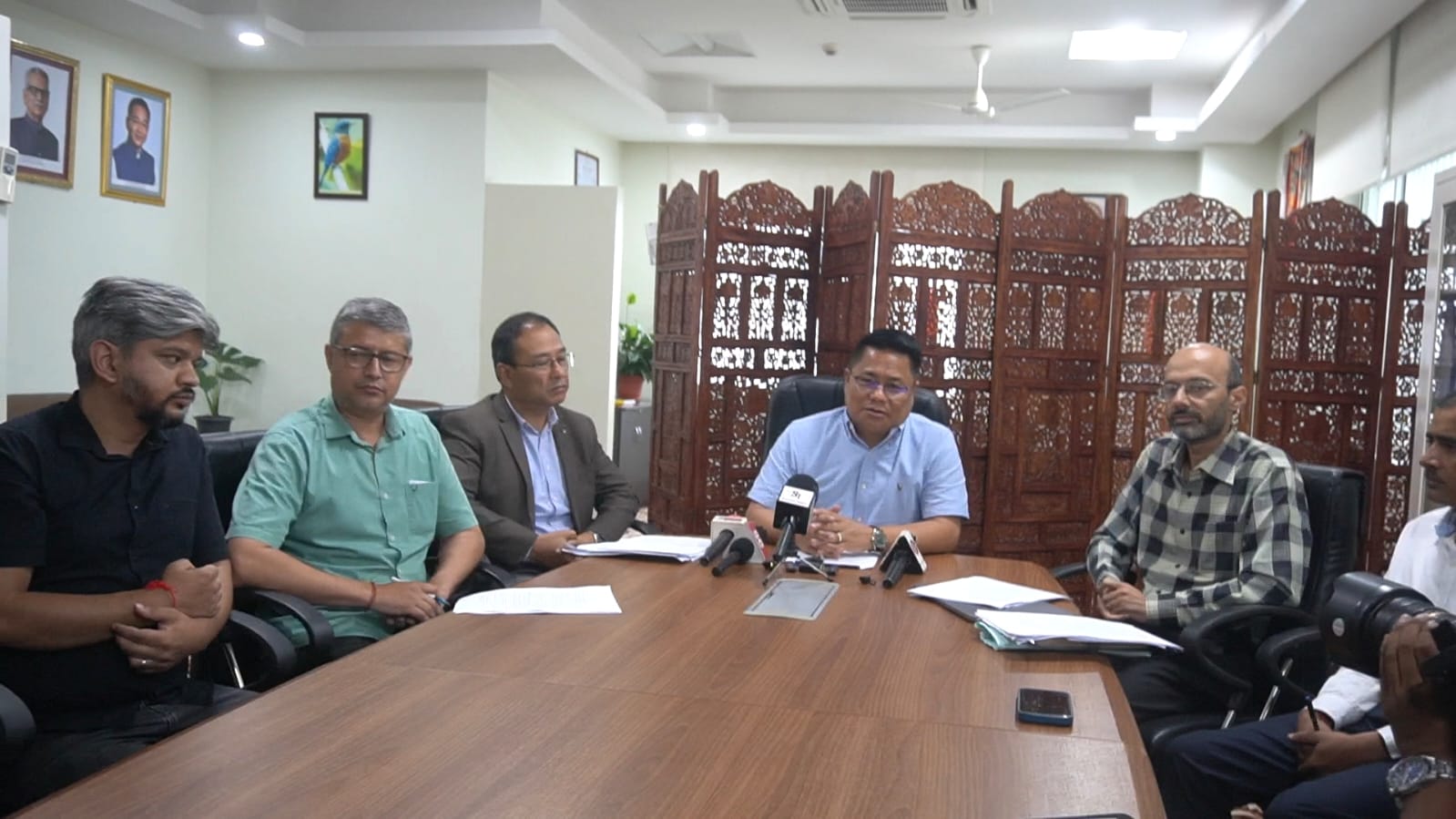
A high-level meeting chaired by Chief Secretary R. Telang at the Tashiling Secretariat on Thursday reviewed lake-specific mitigation plans, early-warning systems, flood modelling and community preparedness involving State departments, central agencies, scientists, defence organisations and hydropower developers.
The urgency follows the October 2023 South Lhonak GLOF, which killed at least 40 people and caused extensive damage to roads, bridges, hydropower facilities and other infrastructure across the Teesta basin.
Sikkim has identified “40 high-risk glacial lakes, including 16 Category A lakes.” The challenge lies not only in monitoring these lakes but in determining whether potentially unstable lakes can be safely modified in some of the world's most difficult terrain.
Shako Chho a priority
Shako Chho, one of the Category A lakes, has emerged as a key focus. With no natural outlet, a permeable moraine dam and an unstable configuration, the lake poses a potential downstream threat, with Thangu village located about 13 km away.
Authorities have examined options including siphoning, pumping and drainage-channel modifications. Solar-powered pumping is currently considered the most practical option for lowering the lake level, while siphoning has been assessed as unfeasible because of a lift head exceeding 20 metres. Structural intervention is not considered advisable at present.
Lowering the lake level, however, would reduce rather than eliminate the risk, with slope instability, avalanches, rockfalls and moraine failure remaining potential hazards.
Flood retention and plug-wall proposals
At the Lhonak Complex, the Central Water Commission (CWC) and Sikkim's Department of Science and Technology are preparing a Detailed Project Report for a proposed “flood-retention structure at Dolma Sampa near Muguthang”. A Preliminary Project Report has already been submitted to the Ministry of Jal Shakti.
At Gurudongmar, authorities are developing a “moraine plug-wall” proposal with the Brahmaputra Board. Any intervention there will have to balance disaster-risk reduction with the lake's environmental and religious significance.
Science and early warning at the centre
Sikkim is strengthening scientific assessments through bathymetry, geological and hydrological studies, moraine-stability assessments, Electrical Resistivity Tomography, UAV mapping and hydrodynamic modelling.
Scientists have also called for periodic reassessment of the 16 Category A lakes using high-resolution data and for greater attention to slope deformation, floodplain mapping and debris-flow modelling.
Early warning remains the first line of defence. Water-level monitoring systems and Automated Weather Stations have been installed at priority locations, while the CWC is strengthening telemetry, flood forecasting, flow-path mapping and warning dissemination.
Chief Secretary Telang stressed the need for reliable warnings and regular mock drills so that communities can act before a flood reaches downstream settlements.
The State is also working towards standardised GLOF risk-assessment protocols and greater technical expertise, alongside community sensitisation and vulnerability mapping.
For Sikkim, the emerging strategy is therefore a combination of “targeted engineering, scientific monitoring, early warning and community preparedness”. But as glacial lakes expand in a warming Himalaya, the central challenge remains clear: knowing which threats can be engineered away—and which must instead be managed through better prediction and faster evacuation.
अनलाइन् खबर पत्रिका तथ्य जाँच र आचारसंहिता प्रतिवेदन:
यो सामग्री हाम्रा सम्पादक टोलीद्वारा तथ्य प्रमाणीकरण र प्रेस काउन्सिल अफ इन्डिया आचारसंहिता बमोजिम प्रकाशित गरिएको हो।